Inner tube or tubeless tyre? What’s the difference and what should you choose
TT or TL? Choosing between an inner-tube tyre and tubeless depends on your rim, terrain and budget. We explain the differences and what suits your vehicle.
Tube Type (TT) or Tubeless (TL)? It’s one of the most common questions we get at Roataway. The answer depends on your rim, terrain and how much quick puncture repair matters to you. We explain how each system works and what’s worth choosing.
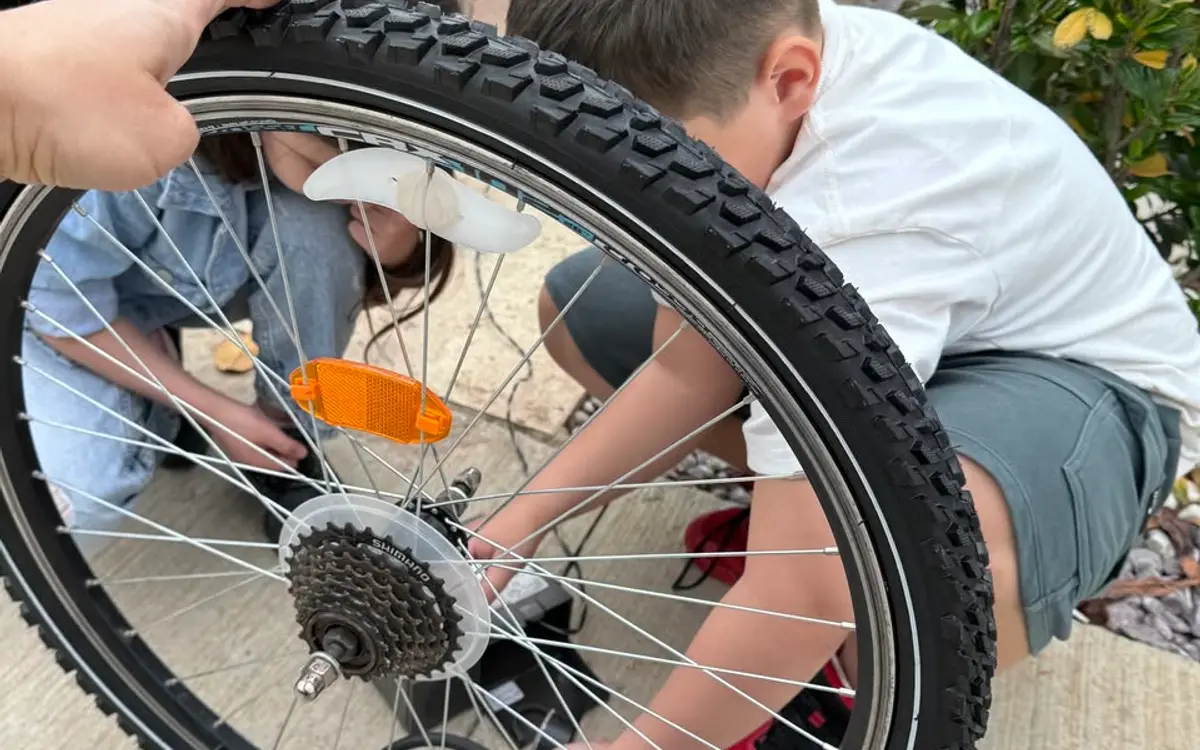
On classic spoked rims, an inner tube remains the standard — air would otherwise escape through the spoke holes.
How the two systems work
A Tube Type tyre is not airtight: air sits in a separate rubber tube between rim and tyre. The valve you inflate is on the tube, not the rim.
A tubeless tyre seals directly to the rim: the bead makes an airtight contact with the rim edge and the valve is fixed in the rim. There is no tube — air is inside the tyre cavity. This requires a tubeless-compatible rim that seals properly.
Advantages of inner-tube tyres
- Works on any rim — including classic spoked rims that are not airtight;
- Simple, cheap repair — a new tube costs little and can be changed anywhere, even on the trail;
- No special tools — no compressor or sealant required;
- Lower entry cost — the full system is cheaper than a tubeless conversion.
Advantages of tubeless
- Slow leak, not a blow-out — without a tube, a nail usually causes a slow air loss, not sudden deflation;
- Can run lower pressures — more traction and comfort off-road, without “snake bite” (tube pinched between rim and obstacle);
- Small holes can self-seal — on bicycles, sealant closes punctures up to a few millimetres while riding;
- Less rotating weight — especially on bikes, where every gram in the wheel is felt when accelerating.
What to choose by vehicle
On bicycles
For urban and touring riding, tubes remain the practical choice: simple, cheap, easy to fix. For MTB and aggressive trails, tubeless (Tubeless Ready rim + sealant) adds traction and puncture protection — worth it if you ride off-road often.
On motorcycles and scooters
The rim decides: cast alloy rims are usually tubeless; spoked rims need tubes. Don’t improvise — check sidewall marking (TT/TL) and rim type. A Tube Type tyre must never be mounted without a tube, whatever the rim.
On ATVs
Most modern ATVs are tubeless from the factory — low working pressures and rough terrain would destroy a tube quickly. On older models or damaged rims that no longer hold air, a tube is the fallback.
Tyres and tubes from one place
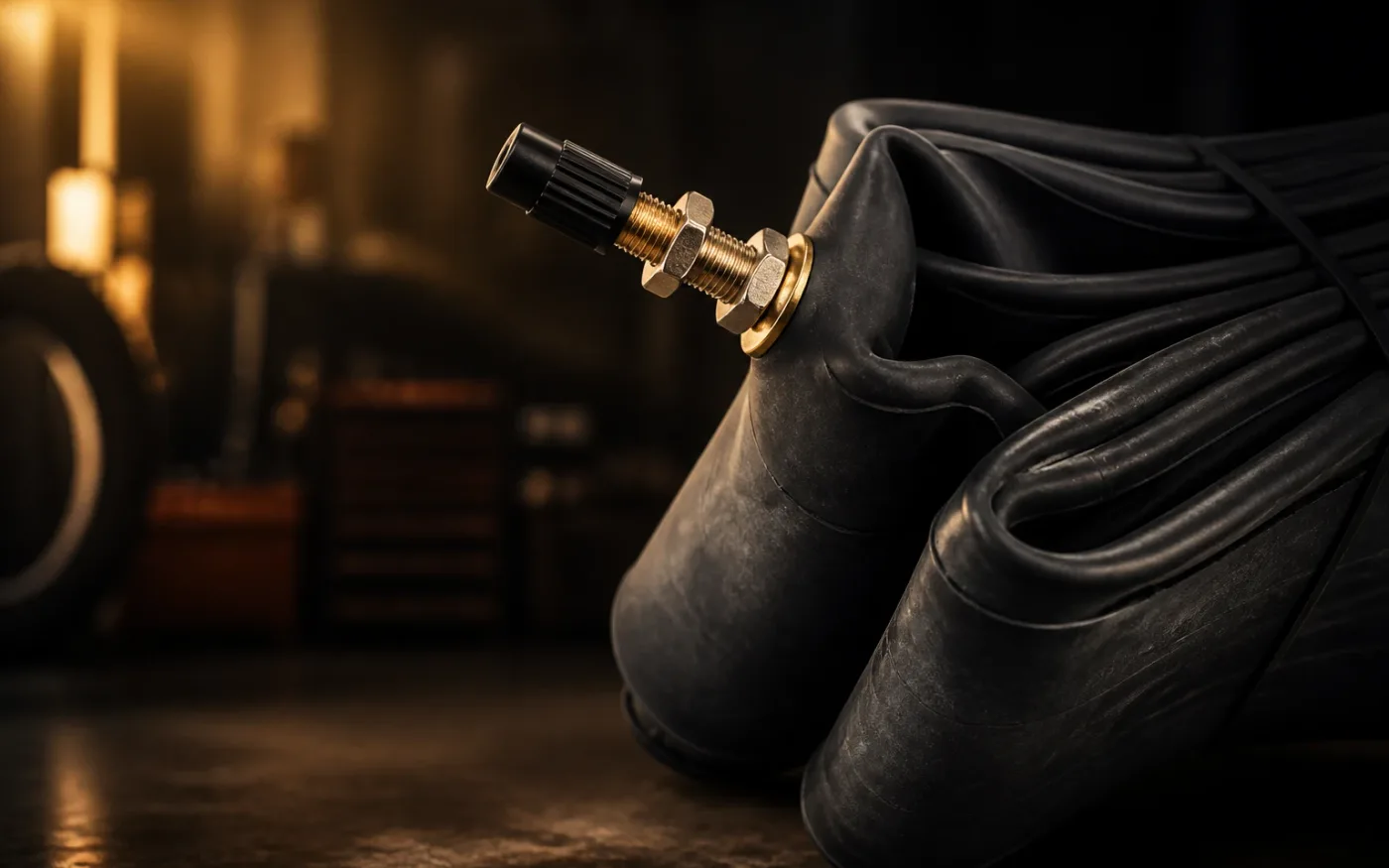
Whether you choose tubes or tubeless, Roataway has matching tyres and tubes — original Vee Rubber and Vee Tire Co, real stock and 48h delivery.
FAQ
Can I use an inner tube in a tubeless tyre?
Yes — in most cases a tubeless tyre can be used with a tube, a common fix on classic spoked rims that are not airtight. The reverse does not work: a Tube Type tyre must never be mounted without a tube.
How do I know if my tyre is tubeless?
Look on the sidewall for “Tubeless” or “TL”. If it says “Tube Type” or “TT”, the tyre requires a tube. On bicycles, tubeless also needs a compatible rim (Tubeless Ready) and sealant.
Which inner tube should I choose for my tyre?
The tube must match tyre size (e.g. a 26x1.75–2.125 tube covers 26x2.10 tyres) and valve type for your rim: Presta or Schrader on bicycles, straight or angled on motorcycles and scooters.