When to replace a bicycle, motorcycle or ATV tyre? 7 important signs
You don’t replace a tyre only when it goes flat. Here are 7 wear and ageing signs to check — so you swap the tyre before it becomes a hazard.
You don’t replace a tyre only when it goes flat. Usually rubber “tells you” in time that its job is done — you just need to know where to look. Here are 7 clear signs that a bicycle, motorcycle or ATV tyre must be replaced before it becomes dangerous.
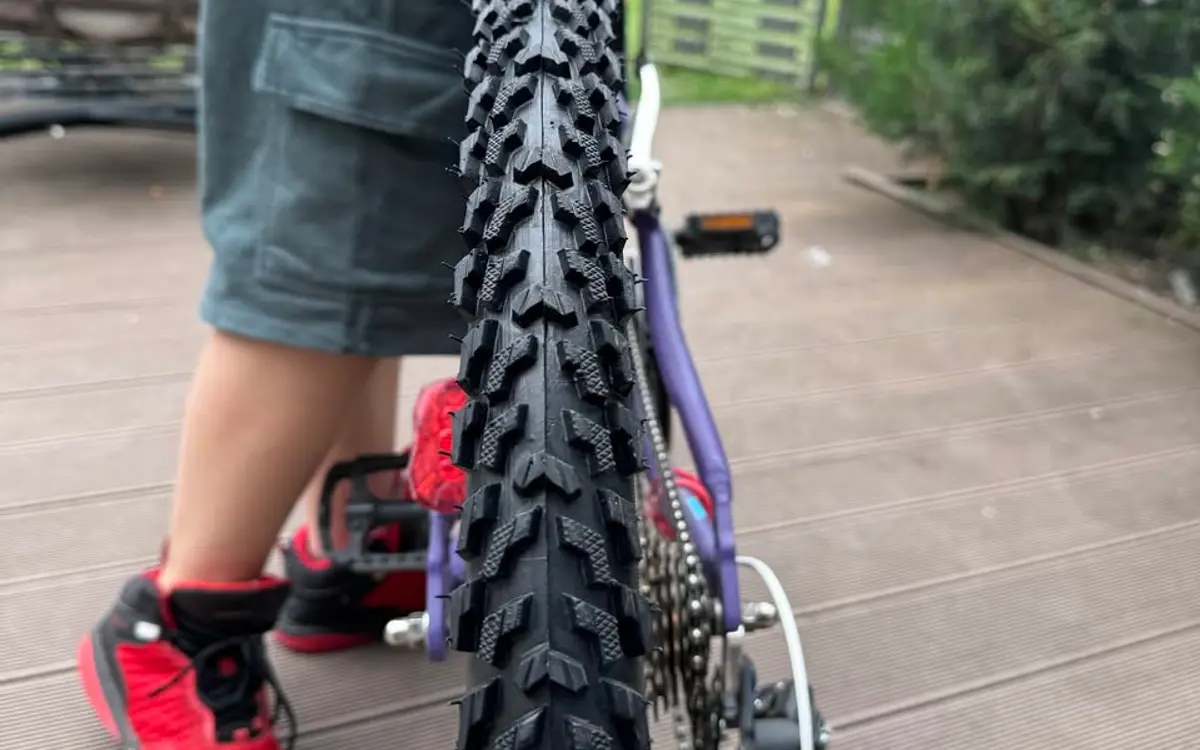
A 2-minute visual check once a month tells you almost everything about tyre condition.
1. Tread has reached the wear limit
The most obvious sign. Many tyres have wear indicators — small bars in the grooves (TWI on the sidewall). When tread reaches them, the tyre no longer clears water and mud. On bicycles, smooth centre or missing grooves means the same: tread life is over.
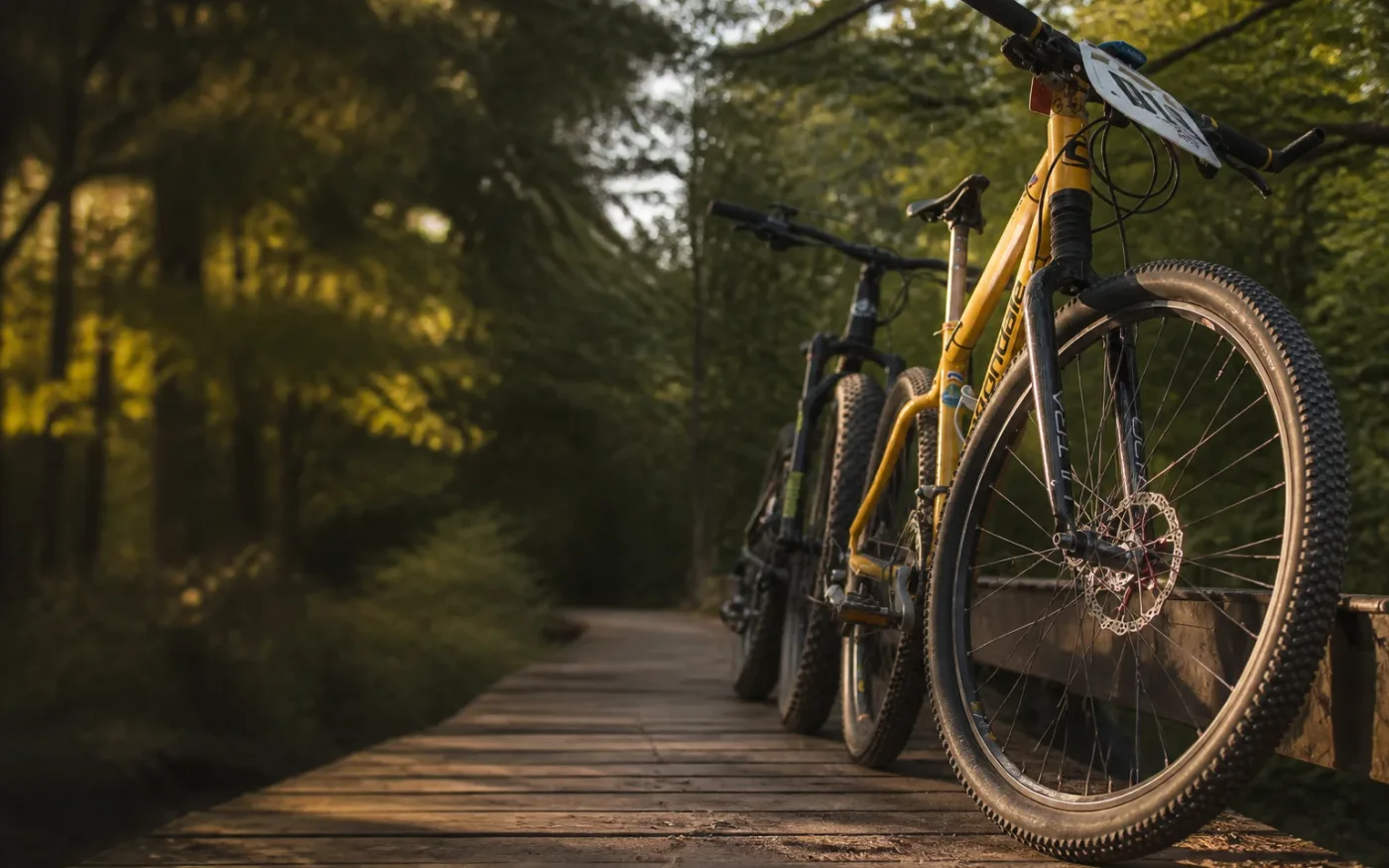
2. Uneven wear or broken knobs
Worn centre but intact shoulders (pressure too high), worn edges but good centre (pressure too low), broken or “chunked” knobs off-road — all shorten tyre life dramatically. Missing knobs don’t grow back: on soft ground you lose traction exactly there.
3. Cracks on the sidewall or between knobs
Fine crack networks (“crazing”) show aged compound — from sun, ozone or simply time. The sidewall is structural: cracks there mean replacement, however much tread remains.
4. Bulges, deformations or visible cords
A bulge on sidewall or tread means broken casing inside — the tyre can fail explosively at any time. Visible textile or steel cords mean the tyre is already compromised. No repair here — only immediate replacement.
5. Repeated flats with no obvious cause
If you change tubes or add sealant weekly without finding nails or thorns, tread is so thin that any pebble reaches the tube. Continuing on the same tyre wastes money on tubes — a new tyre fixes it at the root.
6. Rubber has hardened and gone “glassy”
Compound loses elasticity over time: surface goes shiny and hard, grip drops clearly — especially when wet and in the cold. Hardened rubber slides even with seemingly OK tread. Simple test: press a fingernail in — if it leaves no mark, the compound is “dead”.
7. Tyre exceeds recommended age
On motorcycles and ATVs, general advice is replacement after 5–6 years from manufacture, looks aside. Date is in the DOT code on the sidewall — last four digits are week and year (e.g. “2325” = week 23 of 2025). Always buy recently manufactured tyres — at Roataway, stock rotates constantly.
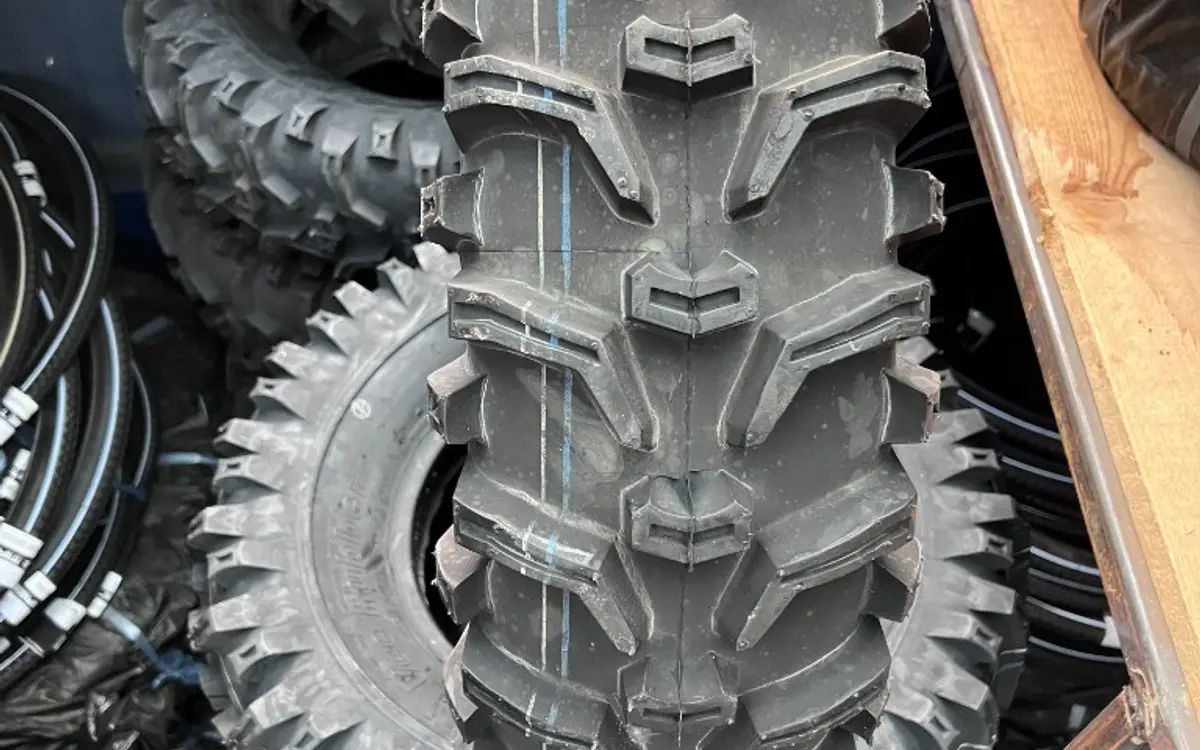
Ticked any sign on the list?
Don’t delay — a worn tyre is the cheapest thing to fix and the most expensive to ignore. Pick a replacement from real Roataway stock, 48h delivery.
FAQ
How many years does a tyre last if I don’t ride much?
Rubber ages even when stored. For motorcycles and ATVs, the usual advice is replacement 5–6 years after manufacture, regardless of tread. On bicycles, a cracked or hardened tyre should be replaced regardless of age.
Should I change both tyres at once or only the worn one?
On motorcycles and ATVs it’s recommended to keep front/rear tread and wear similar — ideally change as a pair. On bicycles you can replace only the worn tyre; usually the rear wears first.
Do repeated flats mean the tyre needs replacing?
Most of the time, yes. Repeated flats with no obvious foreign object suggest the tread is too thin or the casing is compromised. Replace the tyre and check the tube or tubeless sealant too.